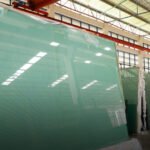
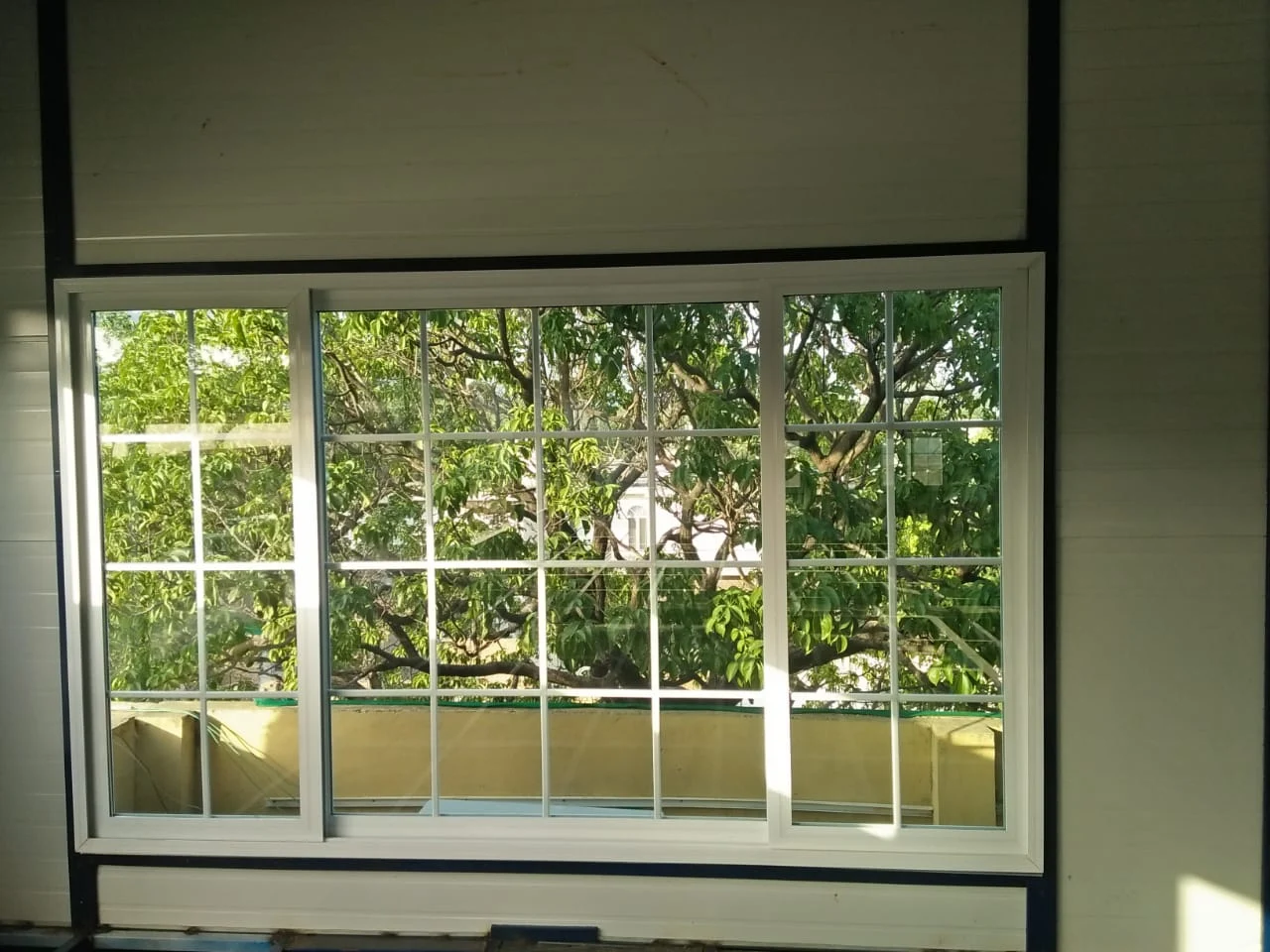
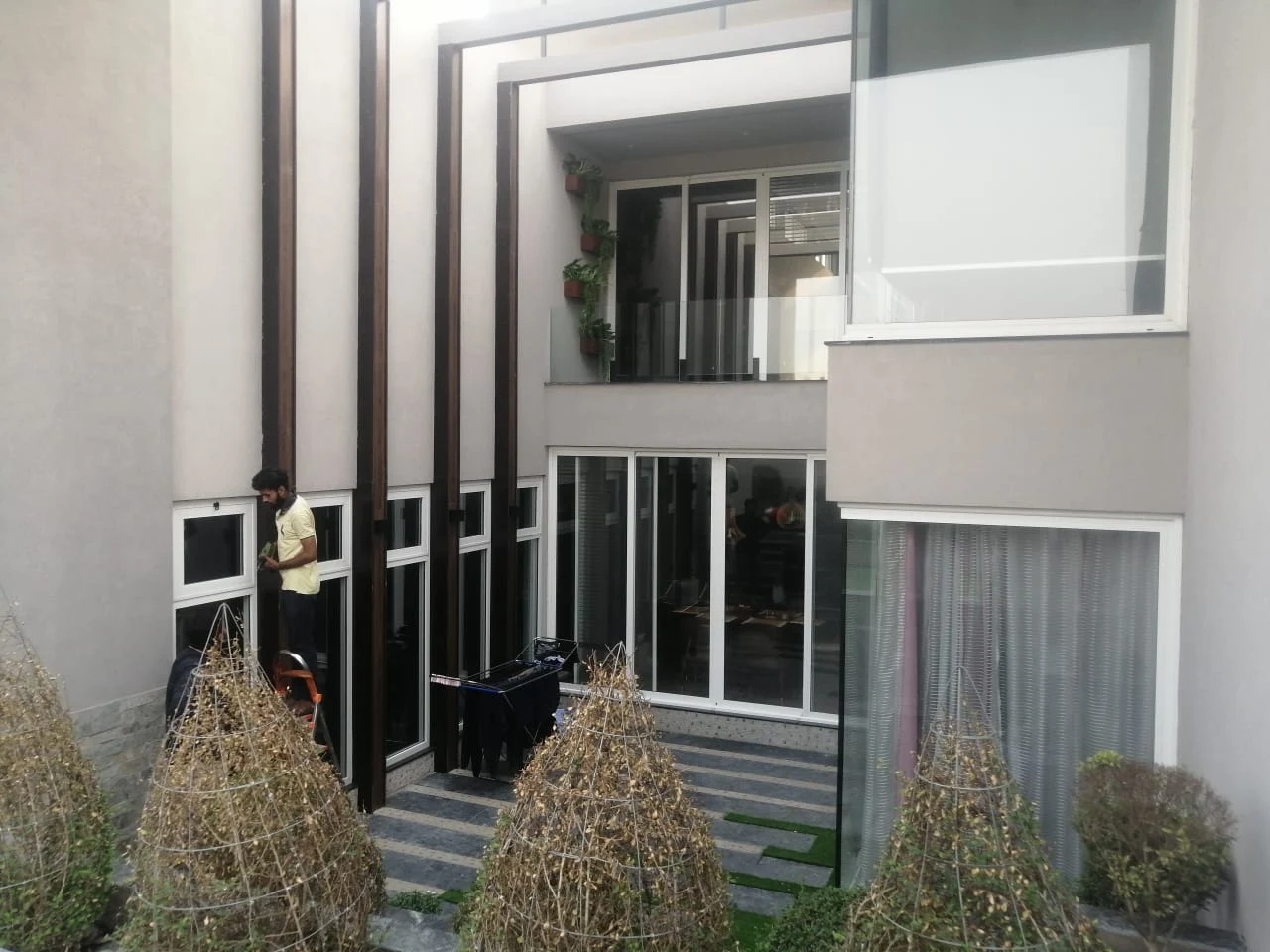
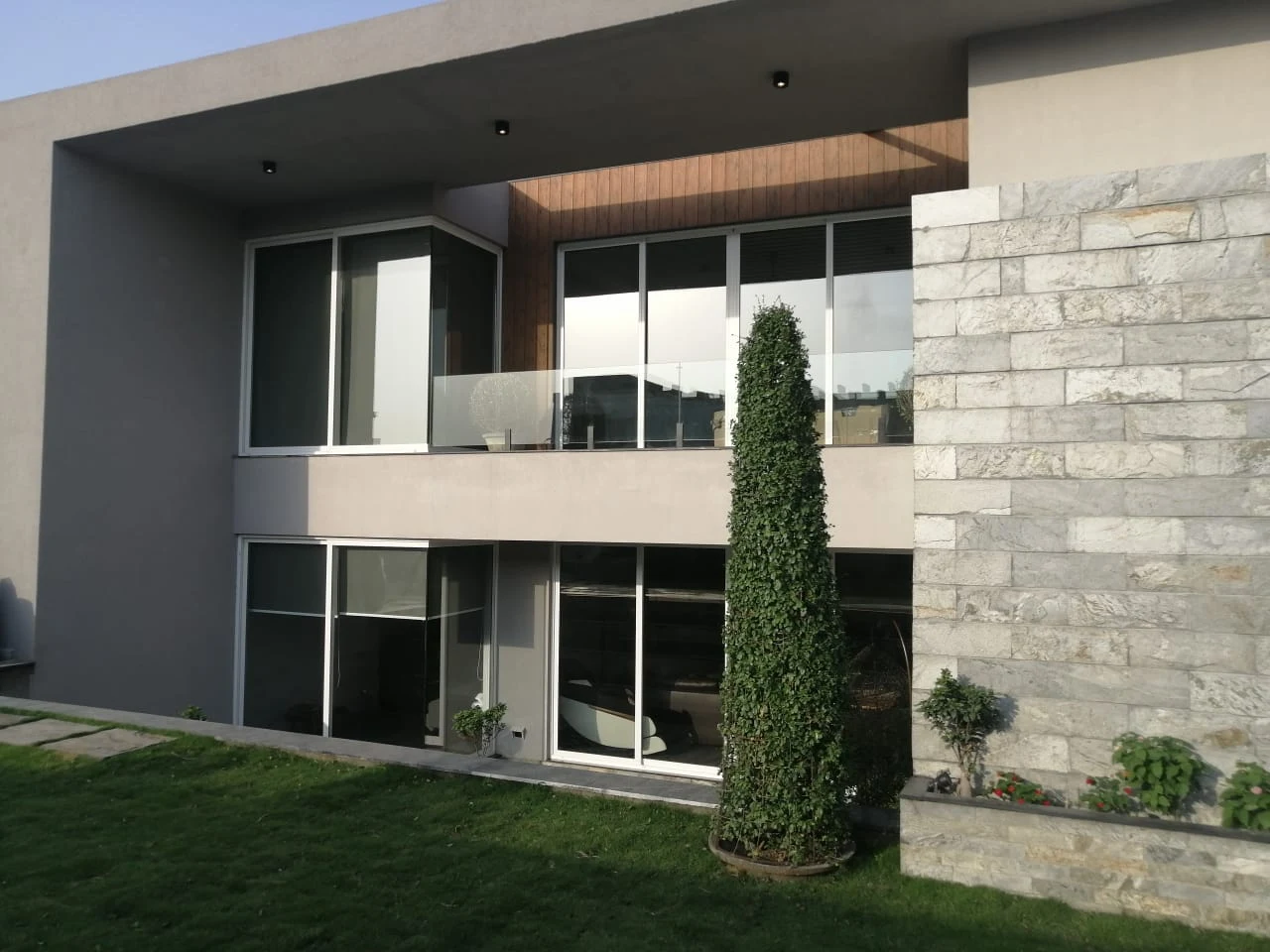
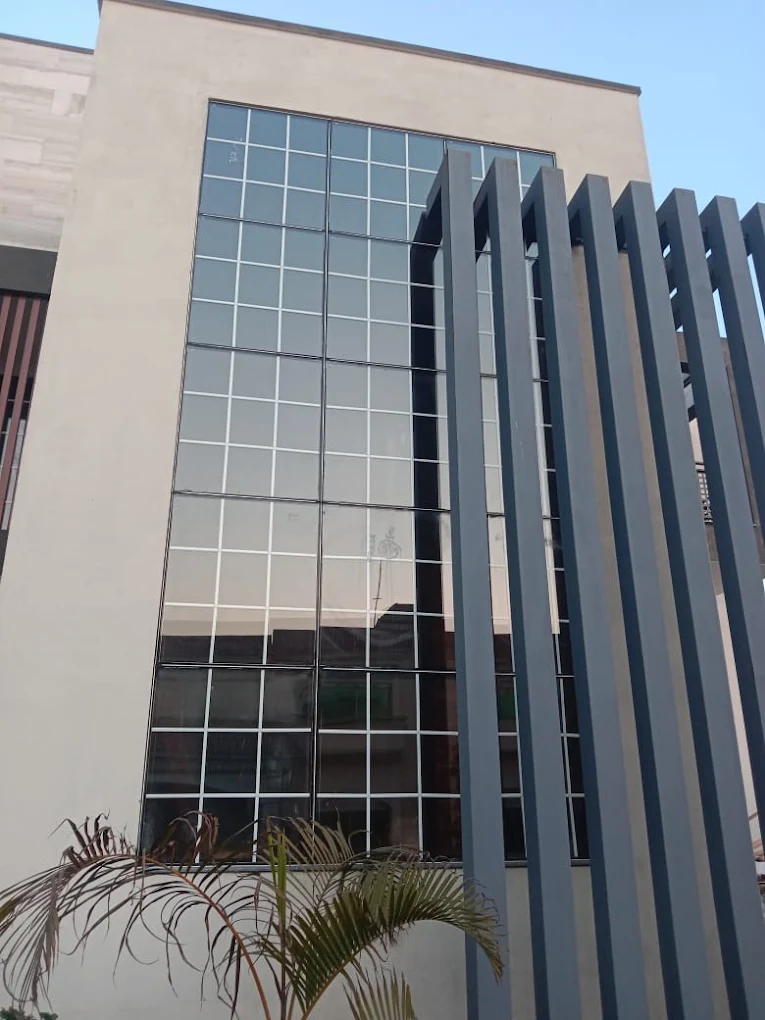
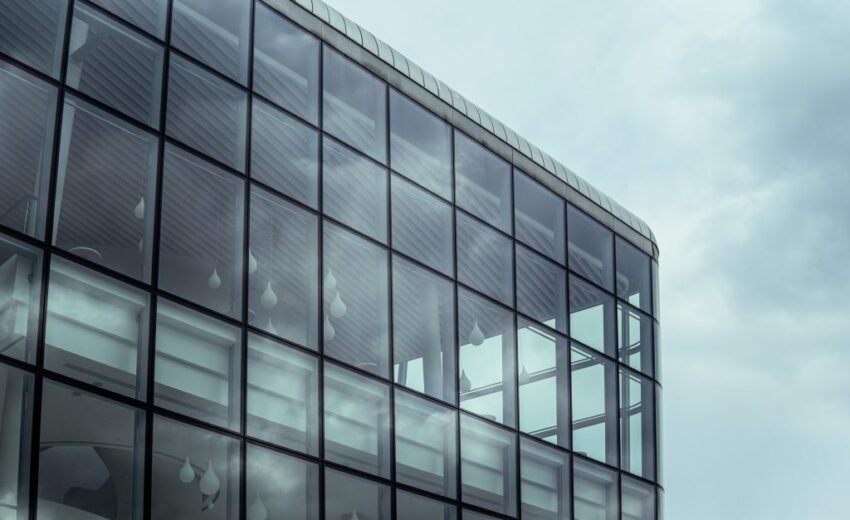
Tempered glass has become a cornerstone of modern architecture, interior design, and industrial applications. As the demand for safe, durable, and aesthetically appealing materials increases, tempered glass continues to dominate construction markets across residential, commercial, and industrial sectors. Beyond its strength and safety benefits, new technologies and global sustainability trends are reshaping how the industry uses and manufactures tempered glass today.
Understanding Why Tempered Glass Is Becoming Essential
The shift toward open spaces, natural lighting, and modern minimalistic design has created a massive demand for glass-based structures. Architects and engineers now prefer materials that not only enhance aesthetics but also improve structural reliability.
Tempered glass stands out because it is:
- 4-5 times stronger than regular glass
- Highly resistant to heat and temperature changes
- Designed to shatter into small, harmless granules
- Available in multiple finishes and custom sizes
These features make it ideal for high-traffic areas, load-bearing structures, and environments with high safety requirements.
Key Applications Driving Its Growth
Tempered glass is now widely used in:
1. Building Facades & Curtain Walls
Modern buildings rely heavily on glass facades for energy efficiency, light transmission, and contemporary design. Tempered glass offers the structural strength needed to withstand wind pressures and thermal stress.
2. Interior Architecture
As interior spaces move toward transparency and minimalism, tempered glass is used in:
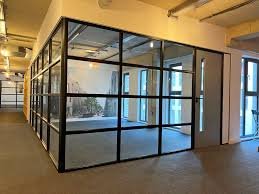
- Room partitions
- Shower enclosures
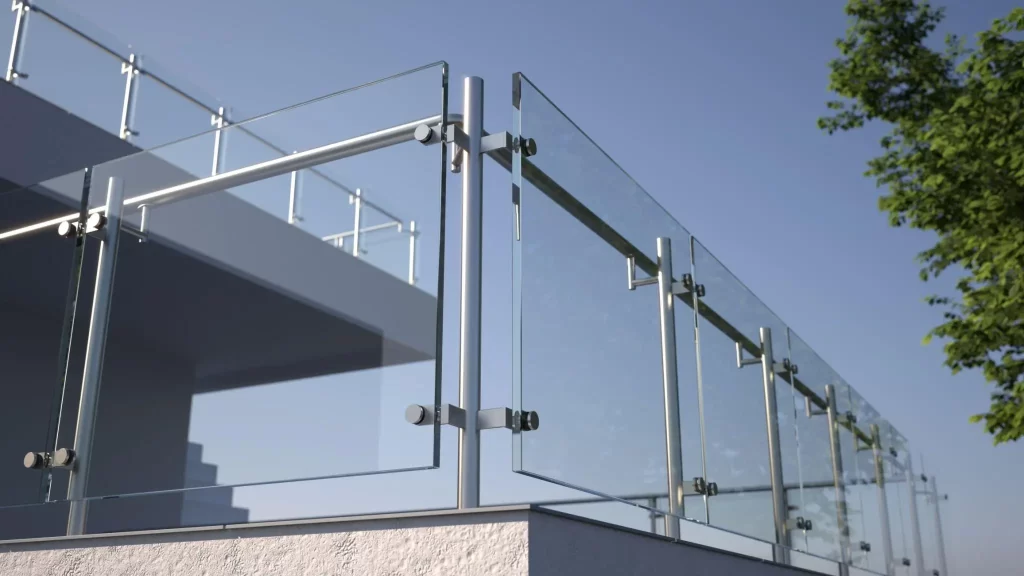
- Balustrades
- Stair railings
- Glass floors
- Skylights
Its durability and safety make it ideal for homes, offices, shopping malls, and hotels.
3. Industrial & Commercial Projects
Industrial facilities and commercial complexes prefer tempered glass for:
- Machinery enclosures
- Fire-resistant panels
- Display cabinets
- Safety doors
- Kitchen and lab equipment
Market Insights: A Rapidly Expanding Industry
The global tempered glass market is experiencing steady growth due to advancements in technology, automation, and rising safety regulations. The industry is projected to grow significantly across the Middle East, South Asia, and Europe, where smart cities and mega-construction projects are booming.
Several factors are driving this growth:
1. Increased Urbanization
Rapid urban development across Asia, especially Pakistan, India, and China, has led to a surge in commercial and residential construction.
2. Energy-Efficient Building Standards
Governments are promoting eco-friendly buildings. Low-emissivity coated tempered glass helps regulate indoor temperature and reduce energy costs.
3. Automotive Sector Growth
Tempered glass is widely used in automotive side windows, sunroofs, and backlights due to its safety performance.
4. Rise of Interior Design Trends
Minimalist and transparent interiors are in high demand—boosting tempered glass usage in home and commercial decor.